China’s Two-Wheel Electric Scooters See Explosive Growth in Brazil, Exports Surge Over 300% YoY in Q1 2026.
Leave a message
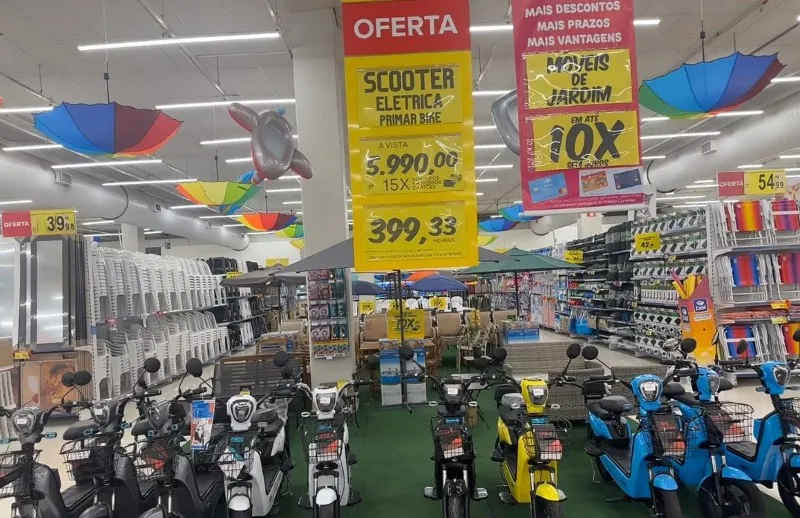
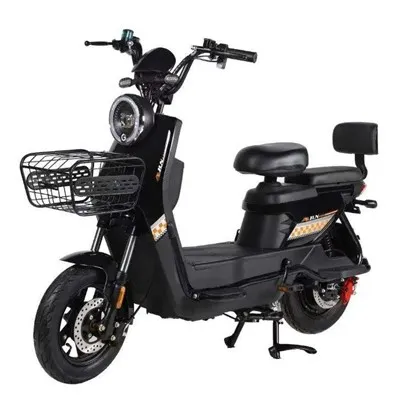
Brazil, Latin America's largest motorcycle market, has emerged as a core growth engine for China's exports of two-wheel electric scooters (including e-bikes and light electric mopeds). According to the latest industry statistics, China's export volume of two-wheel electric scooters to Brazil surged by 346% year-on-year in the first quarter of 2026, making it the fastest-growing single market in Latin America.
This explosive growth is driven by Brazil's ongoing "MOVER Green Mobility Program," the gradual expansion of urban charging corridors, and high local fuel prices, which have made flexible and cost-effective two-wheel electric scooters a popular choice for short-distance urban travel. Meanwhile, accelerating urbanization and worsening traffic congestion in Brazil have further boosted the commuting advantages of two-wheel electric scooters, driving sustained growth in local procurement demand.
In 2025, China's export value of two-wheel electric scooters to Brazil already achieved a 144.94% year-on-year increase, and this strong momentum continued into the first quarter of 2026. However, market growth is accompanied by stricter regulation: since January 1, 2026, new regulations from Brazil's National Traffic Council have been fully implemented, imposing strict controls on the classification, certification, licensing, and driver qualifications for two-wheel electric vehicles. Regular law enforcement inspections have been launched in multiple cities including São Paulo and Rio de Janeiro, with non-compliant vehicles subject to seizure.
Additionally, Brazil plans to adjust import tariffs starting July 2026, with tariffs for two-wheel electric vehicle-related categories gradually reverting to standard rates. Currently, Chinese exporters are accelerating compliance certification and localization adaptation to seize market opportunities during the tariff window period, while preparing for subsequent regulatory and cost challenges.